Crescent Sighting Checklist for Ramadan and Eid
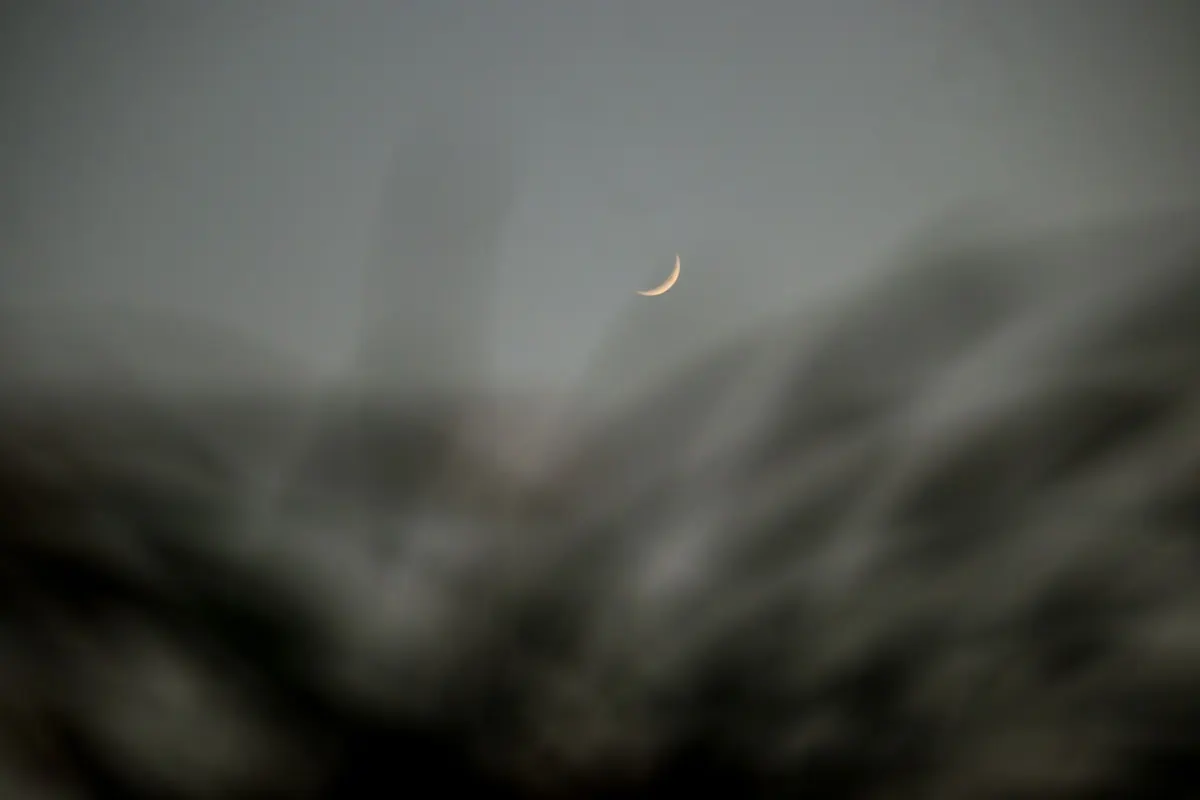
Of all the things people go outside to look for, the young crescent moon is the most demanding. It hangs low, it is thin and faint, and it stays visible for only a short while in the bright afterglow of sunset. Ramadan and Eid turn on whether that sliver can be seen from a particular place at a particular moment. Because the window is brief, a failed sighting is rarely a matter of luck. It usually comes down to preparation: the right horizon, an honest reading of the sky, sensible use of binoculars, and a record that others can check. Here is a working checklist.
Start With the Geometry of That Evening
The crescent you are hunting is the first one after the new moon. It lies east of the sun, so it trails the sun across the sky and sets after it. The interval between sunset and moonset is the whole of your window — anywhere from a few minutes to well over an hour, depending on the month and your latitude. Both times for your own location are easy to find in an almanac or a planetarium app.
Two numbers shape your chances more than anything else: how far the moon lies from the sun in angle, and how high it sits above the horizon at sunset. Small separation plus low altitude means a very young, very thin crescent, and the odds fall quickly. Check both before you decide to go out. Then check your community's criteria. Some groups accept a calculated calendar, some require an actual sighting, and some accept optical aid. Knowing which rule applies tells you whether your evening is a sighting attempt or a confirming observation.
Scout Your Horizon Before Sighting Night
The most common reason people miss a crescent is a horizon they never looked at in daylight. A rooftop with a wide-open view at noon can become a wall of trees, apartment blocks, or haze once the sun drops.
Go out a day or two early, at the same time of evening, and stand where you intend to observe. Face west and find the sun's setting point. The crescent will appear near that point and slightly above it, with its horns turned away from the sun. Note anything that reaches more than a few degrees above that line — a hill, a minaret, a stand of pines, a construction crane. Then find a spot where that clutter is gone.
Height helps. A low rise or an upper floor often lifts you above the worst of the horizon haze, which concentrates in the lowest few degrees of sky. If you can find a place with an unobstructed western view over water or flat ground, keep it. That is the site worth driving to.
Read the Sky, Not Just the Forecast
A forecast that says "clear" is not a forecast that says "transparent." Crescent hunting happens in the murkiest part of the sky, just above the horizon, where dust, humidity, smoke, and thin high cloud all collect. The moon there is dimmed and reddened, and even a shallow band of haze can erase a crescent that is technically above the visibility threshold.
What to check instead: satellite imagery of your region an hour or two before sunset, the humidity and visibility values in the forecast, and the look of the sky the evening before. Clean, dry air behind a front is usually generous. A stagnant, hazy day with a milky horizon usually is not, however blue the sky appears overhead. Thin cirrus is a nuisance; a solid deck of low cloud is a lost cause, and it is better to know that before you set up your tripod.
Use Optical Aid Properly
Wide-field binoculars are the standard tool. Something like 7x50 or 10x50 gathers plenty of light while still showing enough sky to sweep efficiently. Mount them on a tripod if you have one, or brace your elbows on something solid. Sweep slowly in overlapping horizontal passes, starting just above your estimated horizon line and working upward.
Never point binoculars or a telescope anywhere near the Sun, and keep the optics capped until the Sun is fully below the horizon. A brief accidental look can cause permanent eye damage.
One caution about cameras and phone screens: a long exposure or a brightened display can reveal a crescent the unaided eye cannot see. That is worth recording, but it is not a naked-eye sighting. If your community requires naked-eye visibility, keep the two claims separate and say plainly in your report which one you achieved.
The Sighting-Night Checklist
- Confirm sunset and moonset for your exact location, not for a city an hour away.
- Arrive at least twenty minutes before sunset so your setup is ready before the window opens.
- Know the moon's predicted altitude and direction at sunset.
- Bring binoculars, a tripod, a compass or phone app, a watch, and something to write on.
- Take a second person if you can — two sets of eyes settle arguments later.
- Begin scanning only after the Sun has fully set.
- Look first at the brightest strip of sky near the horizon; the crescent will not be far from it.
- Keep scanning until the moon's predicted moonset, not just for two or three minutes.
- Avoid white light. Use a red flashlight or dim your screen.
- Note the exact minute of your first definite sighting, then look away and find it again.
Record It Properly
An undocumented sighting cannot be checked, and a sighting that cannot be checked rarely counts for much. Write down, or photograph with a visible timestamp:
- Date, local time of first sighting, and your time zone.
- Your coordinates or a clear description of the spot, plus your elevation.
- The moon's altitude and direction at the moment you saw it, if you can measure them.
- Sky conditions: haze, cloud amount, transparency, and any nearby bright objects.
- What you used — unaided eye, binoculars with magnification noted, or camera.
- Who else saw it, and whether they saw it without optics.
- Any photos or video, saved as original files rather than messaging-app copies.
False alarms to rule out
Venus or Mercury low in the twilight, bright aircraft lights, the remains of a contrail, lens flare, and internal reflections inside binoculars all get reported as crescents every year. A planet is a steady point of light.
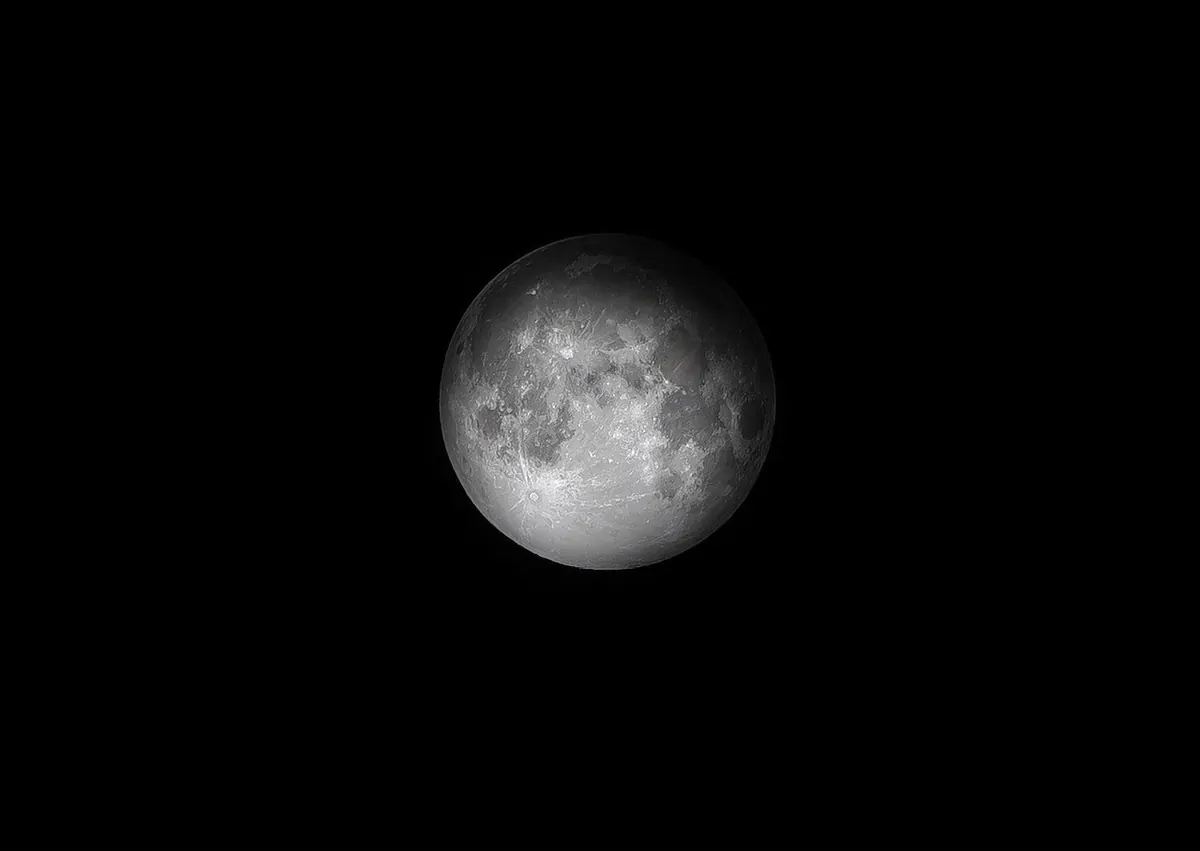
Photo: Rahul Pandit / Pexels
How to Plan a Moonlit Landscape Photography Session
Plan a moonlit landscape shoot by choosing the right phase, timing the moonrise, dialing in exposure, and...
Sidereal vs Synodic Month: Why Lunar Calendars Drift
The Moon returns to the same stars every 27.32 days, but its phases take 29.53 days. That 2.2-day gap...